
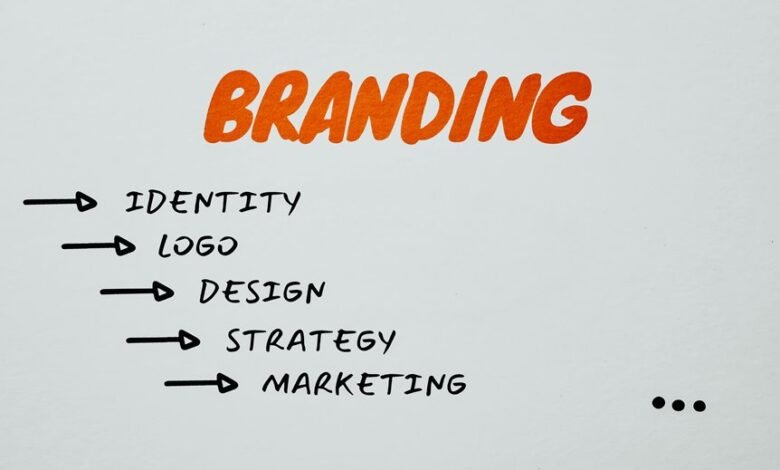
The Advanced Branding Model 300503411 presents a structured approach to enhancing brand identity in an ever-evolving market landscape. By integrating visual elements, emotional resonance, and authenticity, it aims to reshape consumer perceptions and foster loyalty. This model not only promotes adaptability to shifting consumer desires but also emphasizes the importance of strategic execution. What remains crucial is how organizations can effectively measure the success and lasting impact of these branding efforts.
Understanding the Advanced Branding Model 300503411
The Advanced Branding Model 300503411 represents a pivotal framework for organizations seeking to refine their brand identity and enhance market presence.
This model underscores the significance of brand evolution in shaping consumer perception. By adapting to market dynamics and consumer desires, organizations can effectively navigate the complexities of branding, fostering a deeper connection with their audience and ultimately achieving a competitive advantage.
Key Components of Effective Brand Identity
Effective brand identity hinges on several key components that collectively shape how a brand is perceived in the marketplace.
Central to this identity are compelling visual elements that capture attention and convey authenticity.
Additionally, fostering an emotional connection with the audience enhances loyalty and recognition.
Together, these components empower brands to resonate deeply, promoting an enduring freedom of choice among consumers.
Strategies for Implementing the Branding Model
Implementing a robust branding model requires a strategic approach that integrates various elements seamlessly.
Prioritizing brand consistency across all platforms fosters trust and recognition, while innovative audience engagement techniques elevate connections.
By embracing diverse communication channels, brands can resonate deeply with their audience, encouraging loyalty and advocacy.
Ultimately, a well-executed branding strategy empowers organizations to thrive in a competitive landscape, championing their unique identity.
Measuring Success: Evaluating Brand Impact and Loyalty
Although many organizations invest heavily in branding initiatives, the true measure of success lies in evaluating the impact and loyalty generated by these efforts.
Brand perception significantly influences customer retention, as consumers gravitate toward brands that resonate with their values and aspirations.
Conclusion
Incorporating the Advanced Branding Model 300503411 can significantly transform brand identity, fostering both consumer loyalty and emotional connections. Notably, studies show that brands with strong emotional appeal can achieve a 23% increase in sales compared to their competitors. By strategically implementing this model, organizations not only enhance their visual identity but also adapt to market dynamics, ensuring sustained relevance and deeper audience engagement. Ultimately, the model serves as a pivotal tool in navigating the complexities of modern branding.